How Proper Hot Tub Maintenance Extends Equipment Lifespan
Owning a hot tub is about relaxation, comfort, and creating a space to unwind. But behind every enjoyable soak is a system of components working together to heat, filter, and circulate water. Without proper care, these components can wear down faster than expected. Understanding how proper hot tub maintenance extends equipment lifespan helps owners protect their investment while avoiding unnecessary repairs and downtime.
Hot tubs operate in a demanding environment. Warm water, constant moisture, and chemical exposure place stress on pumps, heaters, filters, and seals. Routine maintenance does not need to be complicated, but it does need to be consistent. Small habits like checking water balance or cleaning filters can have a meaningful impact on how long your equipment lasts.
This guide breaks down why
maintenance matters, which components are most affected, and what steps homeowners can take to keep their hot tub running efficiently for years.
Key Takeaways
- Proper hot tub maintenance helps reduce wear on pumps, heaters, and plumbing
- Balanced water chemistry plays a major role in preventing corrosion and scale buildup
- Clean filters improve water flow and reduce strain on internal components
- Seasonal inspections help identify minor issues before they become costly problems
- Consistent maintenance often supports more reliable performance over time
Why Hot Tub Maintenance Matters for Longevity
Hot tubs are designed to handle frequent use, but they are not maintenance free. Every cycle of heating, filtering, and jet operation adds stress to mechanical parts. When basic upkeep is ignored, that stress increases and components may fail sooner than expected.
Maintenance supports equipment longevity in several ways:
- Reduces buildup that restricts water flow
- Helps maintain stable operating temperatures
- Prevents chemical damage to seals and internal surfaces
- Allows early detection of small leaks or performance changes
When systems operate under balanced conditions, they do not need to work as hard. This reduced strain can contribute to longer service life across multiple components.
Key Hot Tub Components Affected by Maintenance
Understanding how each part of your hot tub is impacted by maintenance helps clarify why routine care matters.
Pumps and Motors
Pumps circulate water through the heater, filters, and jets. When filters are dirty or plumbing is restricted, pumps must work harder to maintain flow. Over time, this extra effort can contribute to motor wear or overheating.
Regular filter cleaning and proper water levels help pumps operate within normal ranges.
Heaters
Hot tub heaters rely on steady water flow and balanced chemistry. Scale buildup from high calcium levels can form on heating elements, reducing efficiency and increasing stress. Corrosive water conditions may also affect internal heater
components.
Maintaining water balance helps protect heater surfaces and supports consistent performance.
Filters
Filters trap debris such as hair, oils, and particles. When filters become clogged, water circulation slows. This affects not only water clarity but also places strain on pumps and heaters.
Routine cleaning and periodic replacement keep filtration systems working as intended.
Plumbing and Jets
Plumbing lines and jets are exposed to both water pressure and chemical treatments. Poor water balance can contribute to scale deposits or internal buildup, which may reduce jet performance over time.
Flushing lines and maintaining balanced water chemistry help keep these pathways clear.
The Role of Water Chemistry in Equipment Health
Water chemistry is one of the most influential factors in extending hot tub equipment's lifespan. Imbalanced water can create conditions that slowly damage internal components.
pH Balance
pH levels that are too high or too low can affect equipment materials.
- Low pH may contribute to the corrosion of metal parts
- High pH can encourage scale formation on heaters and plumbing
Keeping pH within recommended ranges supports long-term component health.
Sanitizer Levels
Sanitizers help keep water safe, but excessive levels may be harsh on seals, gaskets, and internal surfaces. Insufficient sanitizer can allow organic buildup that clogs filters and plumbing.
Following manufacturer guidelines helps maintain effectiveness without overexposure.
Calcium Hardness
Calcium levels that are too high may lead to scale buildup, especially on heater elements. Low calcium levels may increase the risk of corrosion in certain systems.
Testing and adjusting calcium hardness supports balanced water conditions.
How Regular Cleaning Protects Internal Components
Cleaning goes beyond keeping water looking clear. It plays a direct role in reducing mechanical stress.
Filter Cleaning and Replacement
Dirty filters restrict water flow, forcing pumps to work harder.
Recommended filter care typically includes:
- Rinse filters every few weeks
- Deep cleaning monthly or as recommended
- Replacing filters according to manufacturer guidelines
Clean filters allow water to circulate efficiently, supporting pump and heater performance.
Shell and Surface Cleaning
Oils, lotions, and debris can accumulate on hot tub surfaces and enter the water system. Wiping down surfaces helps prevent buildup from circulating through filters and plumbing.
Using products designed for hot tubs helps avoid introducing harsh chemicals.
The Impact of Water Level and Circulation
Maintaining proper water levels is a simple but often overlooked part of hot tub care. Low water levels may allow air into the system, which can affect pump operation. High water levels may interfere with skimmers or overflow systems.
Ensuring proper circulation helps distribute heat and chemicals evenly. Poor circulation may lead to localized buildup that stresses components.
Seasonal Maintenance and Inspections
Hot tub usage patterns often change with the seasons. Seasonal maintenance helps prepare equipment for shifts in temperature and usage.
Cold Weather Considerations
In colder climates, hot tubs may run more frequently to maintain temperature. Inspections before winter can help ensure heaters and pumps are functioning properly.
Warm Weather Adjustments
During warmer months, reduced heating demands may change how often systems cycle. This is a good time to check filters, jets, and water balance.
Professional Inspections
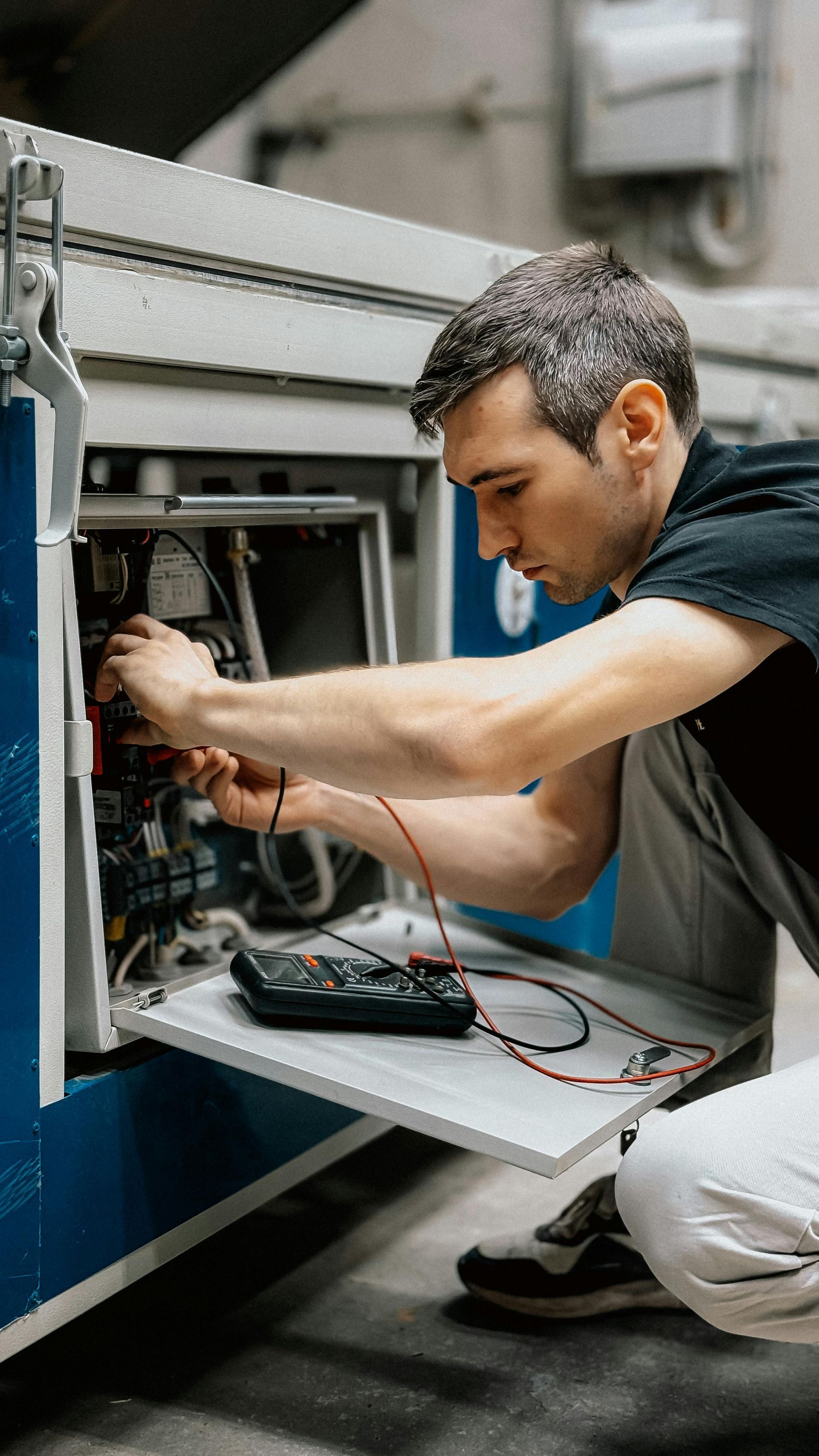
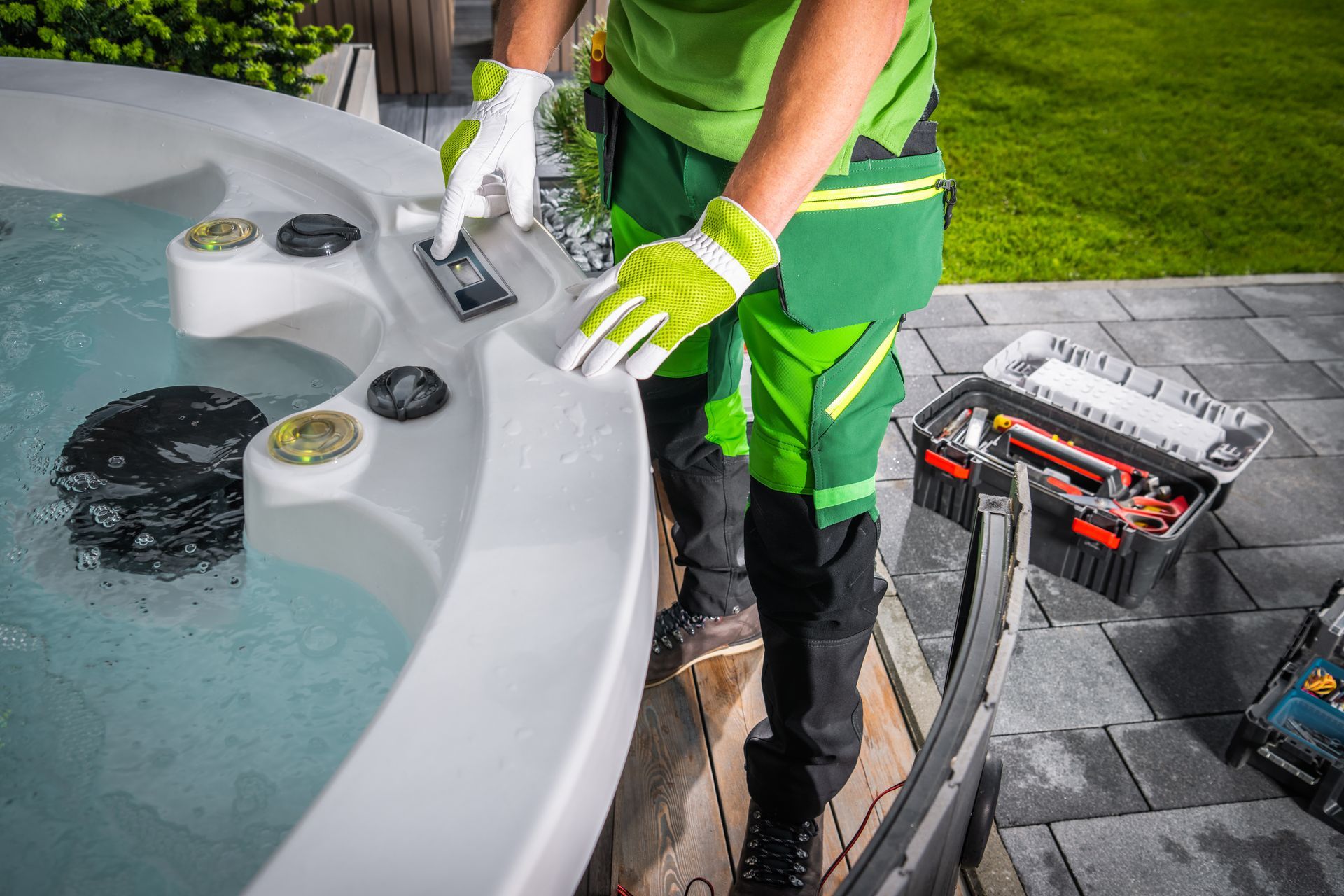
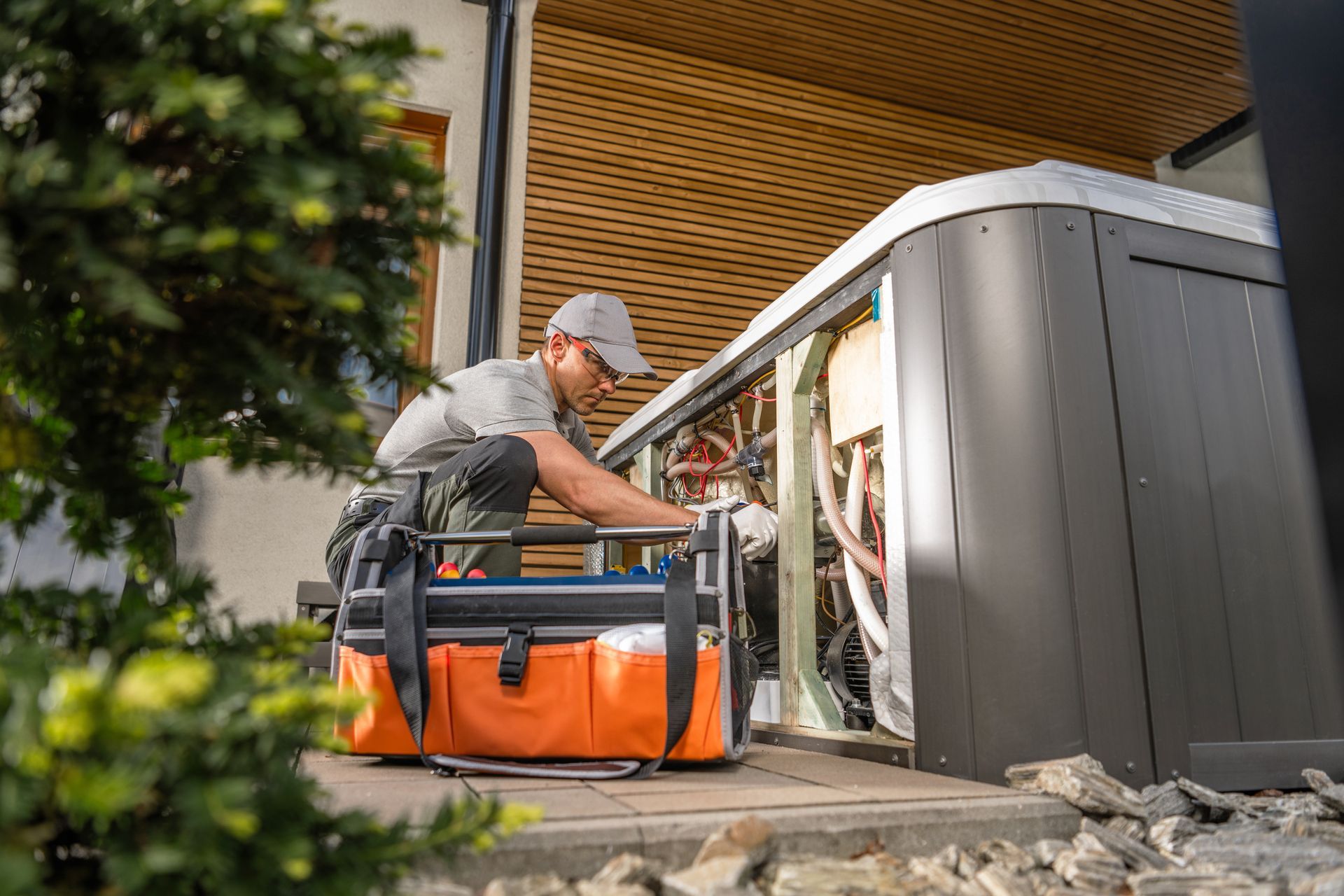
Periodic professional inspections can help identify early signs of wear. These checks may include:
- Inspecting pump seals and connections
- Evaluating heater performance
- Checking for small leaks or vibration issues
Addressing minor concerns early may help avoid more extensive repairs later.
How Maintenance Helps Prevent Common Equipment Issues
Routine maintenance does not eliminate the possibility of repairs, but it may reduce their frequency and severity.
Common issues linked to poor maintenance include:
- Overworked pumps due to clogged filters
- Heater inefficiency caused by scale buildup
- Leaks from degraded seals or fittings
- Reduced jet performance from internal buildup
Consistent care supports stable operation and helps systems perform closer to their intended design.
Maintenance Frequency Overview
The table below provides a general reference for common maintenance tasks. Always follow manufacturer recommendations for your specific model.
| Maintenance Task | General Frequency | Purpose |
|---|---|---|
| Water testing | Weekly | Maintains balanced chemistry |
| Filter rinsing | Every 2 to 4 weeks | Supports water flow |
| Filter deep cleaning | Monthly | Reduces strain on pump |
| Surface cleaning | As needed | Prevents buildup |
| Line flushing | Every 3 to 4 months | Clears internal plumbing |
| Professional inspection | Annually | Identifies early issues |
Long Term Value of Consistent Hot Tub Care
Hot tubs represent a significant investment in both comfort and equipment. While maintenance requires time and attention, it also supports more predictable operation. Owners who follow consistent care routines often experience fewer unexpected issues and more reliable performance.
Proper maintenance does not guarantee that components will never fail, but it helps create conditions that support longer service life. Over time, these habits may contribute to lower repair costs and more enjoyable use.
Frequently Asked Questions
How often should hot tub water be tested?
Water is commonly tested at least once per week. More frequent testing may be helpful during heavy use or after adding chemicals.
Does poor water chemistry really damage equipment?
Imbalanced water chemistry may contribute to corrosion, scale buildup, or seal degradation over time. Maintaining balance helps reduce these risks.
Can dirty filters damage a hot tub pump?
Dirty filters restrict water flow, which can increase strain on the pump. Over time, this extra effort may affect pump performance.
Is professional maintenance necessary?
Professional service is not always required but can be helpful for inspections or addressing issues that are not visible to the owner.
How long do hot tub components typically last?
Lifespan varies depending on usage, environment, and maintenance habits. Proper care supports longer and more reliable performance.
Final Thoughts
Understanding how proper
hot tub maintenance extends equipment lifespan allows owners to make informed decisions about
care routines. Consistent attention to water chemistry, cleaning, and inspections helps create stable operating conditions for pumps, heaters, and plumbing. While maintenance does not eliminate wear entirely, it plays a meaningful role in protecting equipment and supporting long-term enjoyment.
If you want to keep your hot tub running smoothly and avoid unnecessary equipment issues, consider creating a simple maintenance schedule or consulting a professional for periodic inspections.
Reference:
https://www.jacuzzi.com/en-us/hot-tub-guide.html
Share this article