Hot Tub Repairs Near Me: Ensuring Safe and Efficient Operation
Owning a hot tub is a great way to relax, entertain, and promote wellness at home. However, like any appliance, hot tubs require regular attention and occasional repairs to operate safely and efficiently. Locating trusted hot tub repairs near me is essential for ensuring your spa continues to function properly.
From heating and pump issues to leaks and electrical problems, timely repairs prevent small concerns from becoming major problems. This guide explores the importance of professional hot tub repairs, maintenance tips, and how to keep your spa in top condition.
Key Takeaways
- Regular inspections help prevent costly hot tub breakdowns.
- Professional repairs ensure both safety and efficiency.
- Addressing leaks and electrical issues promptly prevents hazards.
- Proper water chemistry and maintenance extend equipment life.
- Selecting a qualified local technician ensures faster response times.
- Combining repairs with preventive care reduces long-term costs.
Why Professional Hot Tub Repairs Matter
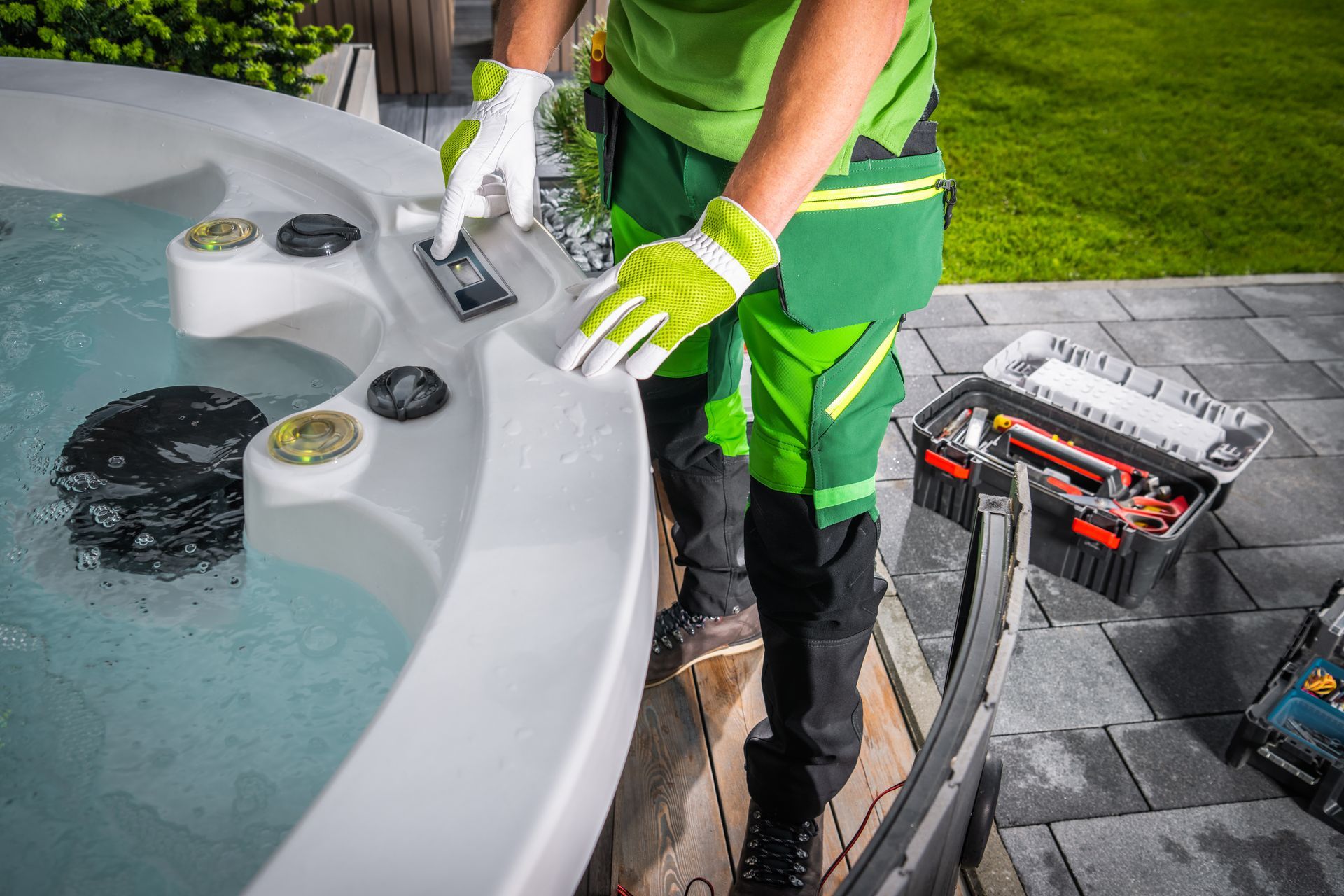
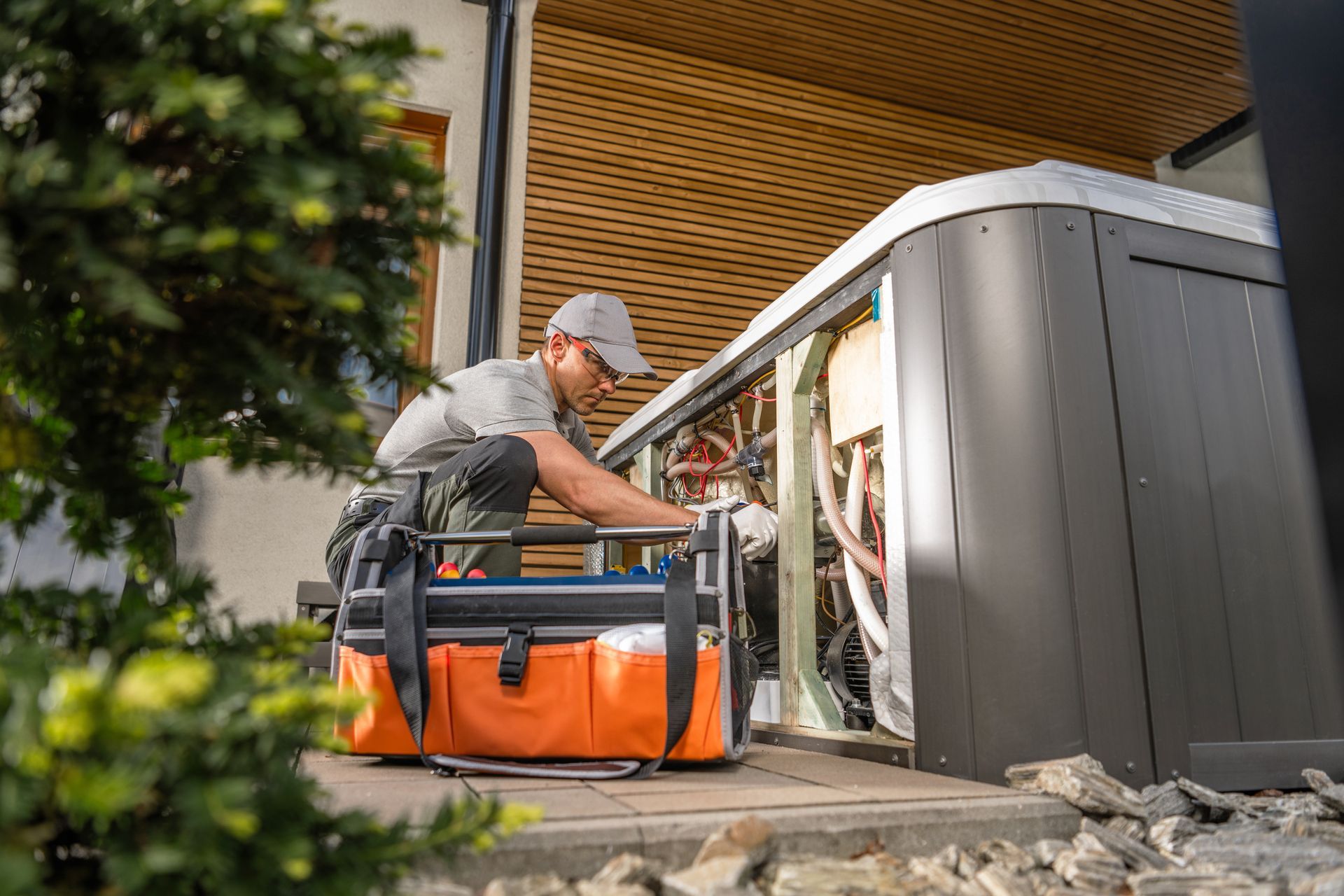
Hot tubs combine water, electricity, and heat, making safety paramount. Attempting DIY repairs can pose risks, including electrical shock, water damage, or worsening existing problems. Licensed technicians bring the right tools, experience, and knowledge to:
- Diagnose electrical or pump malfunctions accurately.
- Repair leaks without causing damage to surrounding areas.
- Maintain water filtration and sanitation systems.
- Extend the lifespan of your hot tub components.
A certified repair service also ensures any work complies with local safety standards and manufacturer recommendations.
Common Hot Tub Issues and Repairs
Understanding frequent problems can help you recognize when it is time to call a professional. Typical issues include:
1. Heater Malfunctions
Hot tub heaters are essential for maintaining desired water temperatures. Faulty heaters can prevent the water from reaching a safe, comfortable level or overheat the water, creating a hazard.
2. Pump and Motor Problems
Circulation pumps ensure water flows properly through filters and jets. Strange noises, reduced pressure, or complete pump failure require immediate attention to maintain spa performance.
3. Leaks
Leaks can occur in plumbing lines, the shell, or around jets and fittings. Ignoring a leak can lead to water damage, higher utility costs, and more complex repairs.
4. Filtration and Sanitation Issues
Clogged or malfunctioning filters reduce water quality and strain the system. Repairing or replacing filters and maintaining sanitation systems is crucial for clean, safe water.
5. Electrical Faults
Hot tubs rely on electrical systems for heating, pumps, and control panels. Any electrical malfunction is a safety risk and should be addressed by a licensed technician immediately.
How to Find Reliable Hot Tub Repairs Near Me
Finding a qualified local technician ensures fast, effective repairs. Consider the following factors:
- Certification: Look for technicians with proper licensing and manufacturer certifications.
- Experience: Seek providers who specialize in hot tub repair, not just general appliance service.
- Customer Reviews: Read online reviews to gauge reliability, response times, and service quality.
- Warranty Options: Check if repairs include guarantees or service warranties.
- Availability: Local technicians can provide faster response times in emergencies.
Signs Your Hot Tub Needs Immediate Attention
Knowing when your hot tub requires professional repairs can prevent minor issues from escalating into costly problems.
There are several warning signs to watch for:
- Unusual Noises – Grinding, humming, or gurgling sounds may indicate pump or motor issues. Ignoring these noises can lead to complete pump failure.
- Water Temperature Problems – If your hot tub isn’t heating properly or fluctuates unpredictably, it could signal a faulty heater, thermostat, or electrical issue.
- Leaks – Water pooling around the base or noticeable drops in water level may point to cracked plumbing, seals, or shell damage. Addressing leaks early prevents water damage to flooring, decking, or surrounding landscaping.
- Poor Water Quality – Cloudy water, strong chemical smells, or excessive foam can indicate filtration or sanitation problems. A malfunctioning filter, pump, or chemical feeder may need repair or replacement.
- Malfunctioning Controls – If the digital display, buttons, or lighting are unresponsive, there may be electrical or control board issues that require professional attention.
- Frequent Tripping of Breakers – Circuit breakers that trip often indicate electrical faults in wiring, pumps, or heater elements. This is a safety concern that should not be ignored.
By recognizing these signs early, homeowners can schedule timely hot tub repairs, maintain safe water conditions, and extend the life of the spa.
Preventive Maintenance to Reduce Repairs
While repairs are sometimes unavoidable, regular maintenance minimizes the need for emergency service:
- Water Chemistry Checks: Regularly monitor pH, sanitizer levels, and water hardness.
- Filter Cleaning: Clean or replace filters monthly, or as recommended by the manufacturer.
- Jet and Pump Inspection: Check for debris and proper jet function.
- Cover Care: Use and maintain a proper cover to prevent debris and heat loss.
- Professional Service: Schedule annual inspections with a certified technician to identify potential problems early.
Cost Considerations for Hot Tub Repairs
Repair costs vary depending on the type and severity of the issue:
| Issue | Average Cost | Notes |
|---|---|---|
| Heater Replacement | $300 – $800 | Includes labor and new heating element |
| Pump Repair | $150 – $600 | Depending on pump size and labor |
| Leak Detection & Repair | $100 – $500 | Varies by location and severity |
| Electrical System Repairs | $150 – $700 | Includes troubleshooting and parts |
| Filter Replacement | $50 – $150 | Cost per filter |
Regular maintenance can prevent higher costs associated with extensive repairs or full system replacement.
Seasonal Considerations for Hot Tub Care
Hot tubs require different care depending on the season to ensure efficient operation and prevent damage:
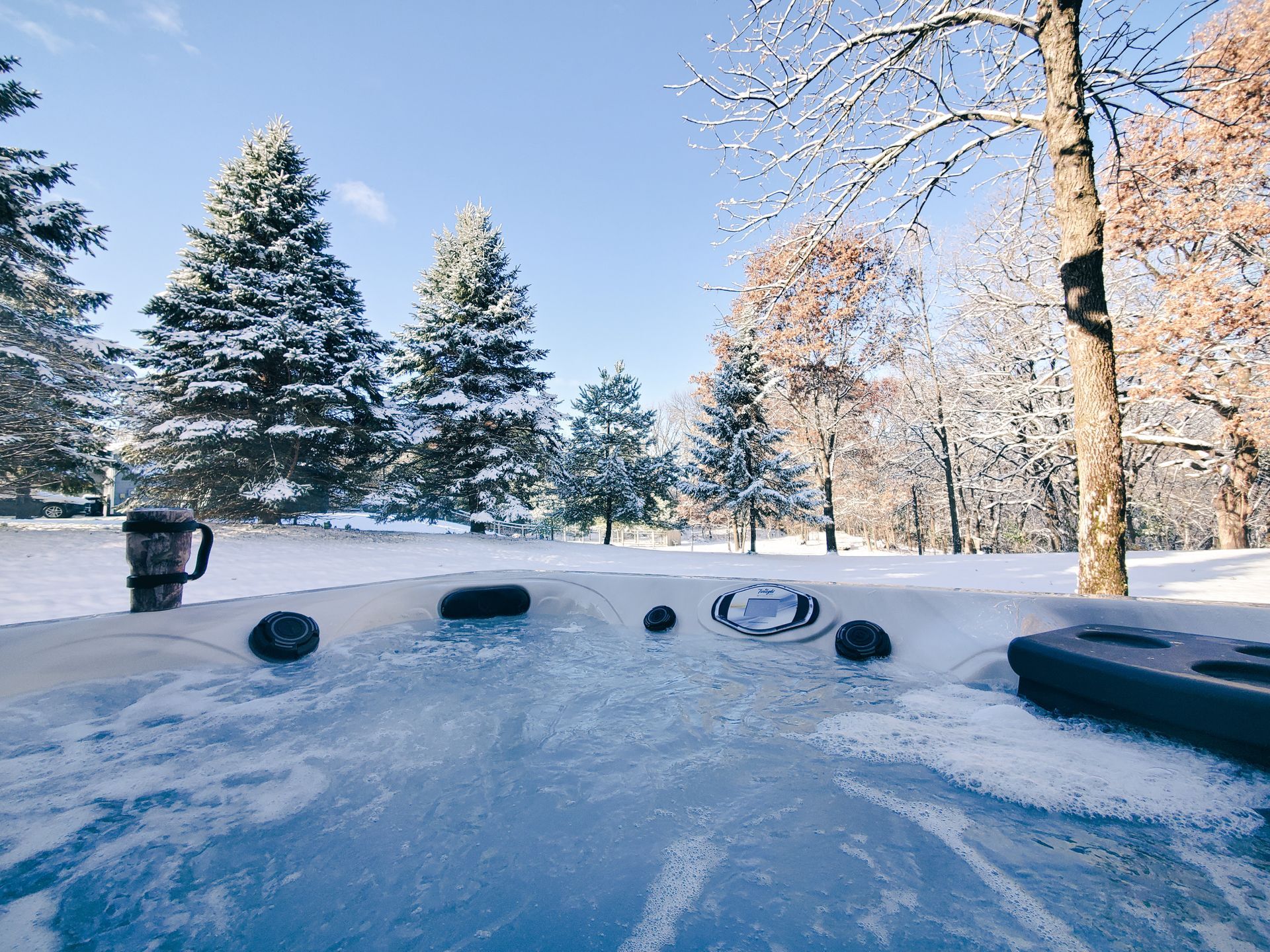
- Winter Care – Cold temperatures increase the risk of frozen pipes and damage to pumps and plumbing. Keep your hot tub running at a minimum temperature to prevent freezing. Insulate the cover and ensure water levels are adequate. Regularly check for cracks in the shell or leaks that can worsen in freezing conditions.
- Summer Care – High heat and direct sunlight can accelerate water evaporation and chemical breakdown. Maintain proper sanitizer levels and cover the tub when not in use to prevent debris accumulation and reduce UV damage.
- Transitional Seasons (Spring and Fall) – These periods often bring fluctuating temperatures and heavy rainfall. Check water balance more frequently, inspect pumps and filters, and clear debris from covers, skimmers, and drains to prevent clogging. Seasonal maintenance also includes checking for insects or leaves that may impact water quality.
- Storm Preparedness – In regions prone to storms, unplug the hot tub if not in use, secure covers, and ensure proper drainage around the spa to prevent flooding or debris accumulation.
Adapting hot tub maintenance to seasonal changes reduces the likelihood of repairs, preserves water quality, and ensures your spa is always ready for safe, relaxing use.
Seasonal Maintenance Tips
Hot tubs are affected by seasonal changes, especially if located outdoors. Adaptation strategies include:
- Summer: Monitor water levels due to evaporation and adjust chemical balances more frequently.
- Winter: Protect exposed plumbing lines, maintain proper water temperature, and prevent freezing.
- Spring/Fall: Clean the spa thoroughly, check for debris, and inspect covers and seals for wear.
Seasonal awareness helps maintain safety and efficiency while extending the life of your spa.
DIY vs Professional Repairs
DIY Repairs:
- Advantages: Potentially lower immediate cost, convenience.
- Risks: Incorrect repairs, safety hazards, voided warranties.
Professional Repairs:
- Advantages: Safe, effective, and often backed by warranty.
- Disadvantages: Higher upfront cost.
In general, minor tasks like cleaning filters or balancing water chemistry can be done safely at home. Electrical or plumbing issues should always be handled by a licensed professional.
Frequently Asked Questions
How do I know if my hot tub needs repair?
Signs include strange noises, water not heating, leaks, or electrical issues.
Can I perform hot tub repairs myself?
Minor maintenance like cleaning filters is fine, but electrical or structural repairs require a professional.
How much does a typical hot tub repair cost?
Costs vary depending on the part or system, ranging from $50 for filters to $800 or more for heater or pump replacements.
How often should I schedule professional hot tub service?
Annual inspections are recommended, with additional visits as needed for any malfunctions.
Are local repair technicians better than national services?
Local providers often offer faster response times, personalized service, and knowledge of regional conditions.
Final Thoughts
Maintaining a hot tub requires careful attention to both regular maintenance and timely repairs. Addressing issues promptly ensures the spa remains safe, efficient, and enjoyable. By working with qualified
hot tub repair providers near me and following seasonal and preventive care tips, homeowners can extend the lifespan of their spa, prevent costly repairs, and protect their investment.
Looking for reliable hot tub repairs near you? Contact our team today to schedule an inspection and keep your spa running safely and efficiently.
Reference:
https://outdoorlivingllc.com/hot-tub-maintenance-and-safety-best-practices-to-keep-you-and-your-loved-ones-safe/
Share this article