How Long Does a Hot Tub Last in Harsh Colorado Winters?
Colorado's extreme winter conditions present unique challenges for hot tub owners, with temperatures frequently dropping well below freezing and sudden weather changes that can stress even the most well-built spas. Understanding how these harsh conditions affect your hot tub's lifespan and knowing what steps to take for protection can help you enjoy your investment for many years while avoiding costly repairs and premature replacement.
Key Takeaways
- Average lifespan: Quality hot tubs typically last 15-20 years in Colorado with proper winter maintenance and professional care
- Weather impact: Extreme temperature fluctuations and heavy snow loads can reduce lifespan by 3-5 years without adequate protection
- Maintenance frequency: Colorado winters require monthly professional inspections and more frequent water chemistry monitoring
- Component vulnerability: Pumps, heaters, and plumbing systems face the greatest risk during freezing conditions
- Professional services: Regular maintenance from experienced hot tub companies extends equipment life in harsh climates
- Prevention costs: Winter preparation and quality covers typically cost far less than major component replacements
Factors That Affect Hot Tub Longevity in Colorado
Climate-Specific Challenges
Colorado's unique climate creates several conditions that can impact how long a hot tub lasts compared to milder regions. The state experiences dramatic temperature swings, sometimes shifting 40-50 degrees within a 24-hour period, which causes materials to expand and contract repeatedly.
Heavy snowfall creates additional concerns for hot tub owners:
- Snow load stress - Accumulated snow on covers can exceed weight limits and damage support structures
- Ice formation - Water lines and external components risk freezing when temperatures drop suddenly
- UV exposure - High altitude increases ultraviolet radiation, causing faster deterioration of covers and cabinet materials
- Dry air conditions - Low humidity can crack seals and gaskets more quickly than in humid climates
Build Quality and Materials
The construction quality of your hot tub directly influences its ability to withstand Colorado winters. Premium models typically feature reinforced insulation systems, freeze-resistant plumbing, and weather-resistant cabinet materials designed for harsh conditions.
Key durability factors include:
- Insulation thickness - Full foam insulation provides better freeze protection than partial systems
- Shell composition - Acrylic shells generally outlast rotomolded plastic in extreme temperatures
- Cabinet materials - Synthetic skirting resists moisture damage better than wood alternatives
- Pump placement - Interior-mounted equipment stays warmer and experiences less thermal stress
Regional Altitude Effects
Colorado's elevation adds complexity to hot tub maintenance that owners in lower altitude locations rarely encounter. The combination of intense sunlight, rapid weather changes, and lower atmospheric pressure creates stress factors.
Altitude-related challenges:
- Increased evaporation rates - Higher elevations cause faster water loss, potentially exposing heating elements
- Intense solar radiation - UV damage occurs more rapidly at higher altitudes, degrading covers and equipment
- Pressure variations - Atmospheric pressure changes can affect pump performance and seal integrity
- Rapid temperature drops - Mountain weather patterns can create sudden freezing conditions without warning
Winter-Specific Maintenance Requirements
Essential Cold Weather Preparations
Professional hot tub companies typically recommend specific winter preparation steps that go beyond standard maintenance routines. These preparations help protect critical components from freeze damage and extend overall system life.
Pre-winter checklist includes:
- Water chemistry balancing - Proper pH and alkalinity levels prevent corrosive damage during cold months
- Component inspection - Checking pumps, heaters, and control systems before extreme weather arrives
- Insulation assessment - Ensuring all access panels and covers provide adequate thermal protection
- Circulation system testing - Verifying pumps and filters operate efficiently to prevent freezing
Monthly Winter Maintenance Tasks
Colorado's harsh conditions require more frequent attention than hot tubs in moderate climates. Regular maintenance during the winter months helps identify potential issues before they cause damage.
Critical monthly tasks:
- Cover inspection and cleaning - Removing snow buildup and checking for damage or wear
- Water level monitoring - Preventing pumps from running dry due to increased evaporation
- Filter cleaning rotation - Cold weather operation can clog filters more quickly
- Equipment housing checks - Ensuring heaters and pumps remain properly insulated
Protection Strategies
Hot tub service providers recommend layered protection approaches that address multiple potential failure points. These strategies help maintain performance while preventing costly emergency repairs during the winter months.
Enhanced protection methods:
- Thermal blanket systems - Secondary insulation layers that reduce heat loss during extreme cold snaps
- Wind barrier installations - Protective structures that shield equipment areas from prevailing winter winds
- Drainage system upgrades - Better water management prevents ice dam formation around spa perimeters
- Emergency power backup - Generators or battery systems maintain circulation during power outages
Protecting Hot Tub Components During Extreme Cold
Critical System Vulnerabilities
Certain components face a higher risk during Colorado winters and require special attention to maintain longevity. Understanding these vulnerabilities helps prioritize maintenance efforts and budget for potential repairs.
High-risk components during freezing conditions:
| Component | Risk Level | Common Issues | Prevention Methods |
|---|---|---|---|
| Water pumps | Very High | Freeze damage, seal failure | Continuous circulation, insulation |
| Heater elements | High | Thermal shock, mineral buildup | Regular cleaning, gradual temperature changes |
| Plumbing lines | Very High | Pipe bursts, connection leaks | Proper drainage procedures, freeze protection |
| Control panels | Medium | Electronic failure, moisture damage | Weather shields, regular inspection |
| Jets and fittings | Medium | Crack formation, seal deterioration | Quality materials, seasonal replacement |
Temperature Management Techniques
Effective strategies include:
- Consistent heating schedules - Maintaining steady temperatures prevents thermal shock to components
- Backup heating options - Secondary heating sources provide protection during power outages
- Insulation upgrades - Additional insulation around equipment areas reduces energy costs and freeze risk
- Wind barrier installation - Protecting exposed areas from wind chill extends component life
Professional Services vs DIY Winter Care
Benefits of Professional Maintenance
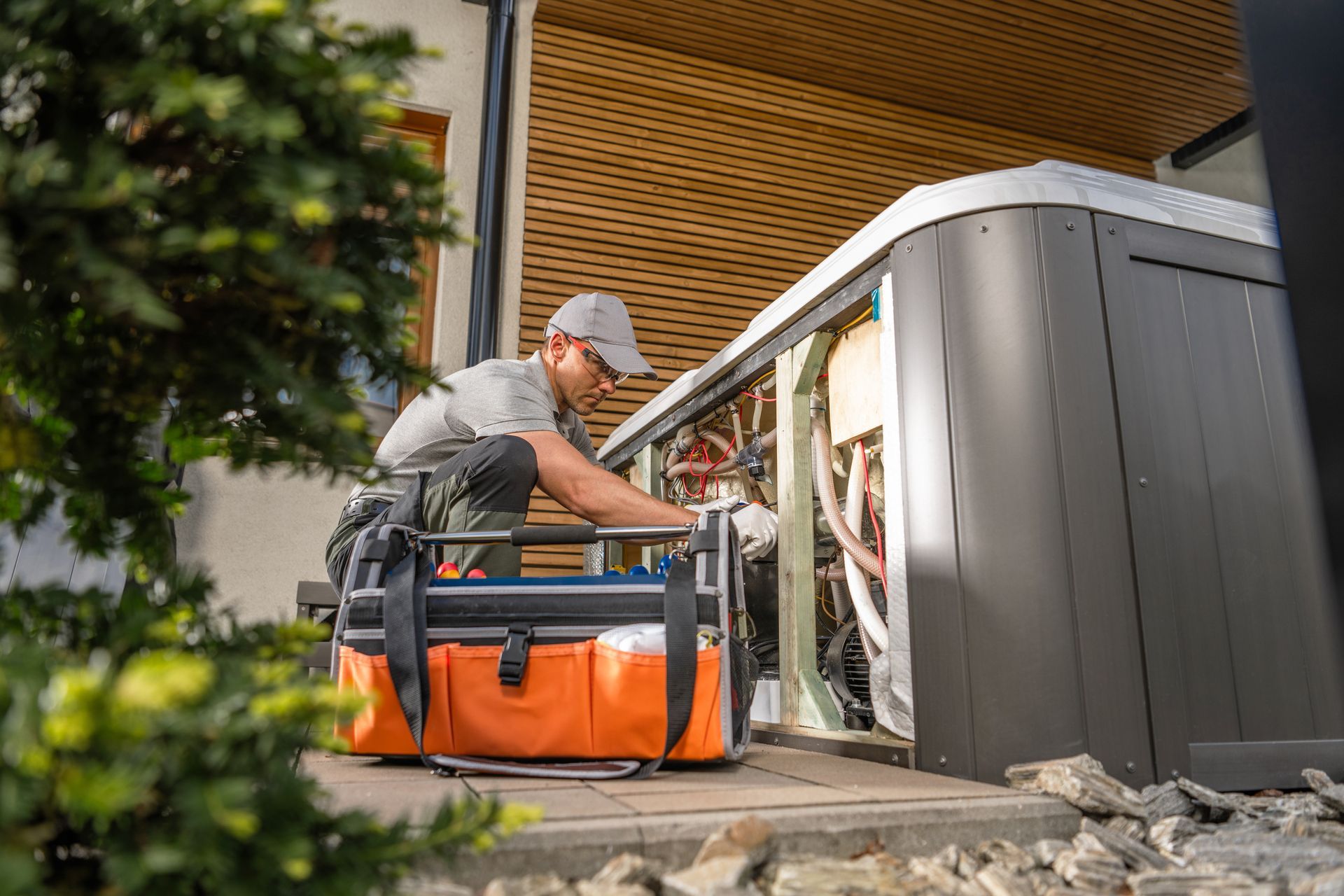
Working with established hot tub companies provides advantages for Colorado owners, particularly during the winter months when technical issues can quickly become expensive problems. Professional service providers understand local climate challenges and can implement preventive measures effectively.
Professional service advantages:
- Specialized equipment - Professional tools for proper winterization and system testing
- Experience with local conditions - Understanding of Colorado-specific challenges and solutions
- Emergency response capability - Quick repairs during extreme weather events to prevent major damage
- Warranty protection - Professional maintenance often preserves manufacturer warranty coverage
- Safety expertise - Proper handling of electrical and chemical components in cold conditions
When DIY Maintenance May Fall Short
While basic maintenance tasks can be performed by owners, Colorado's extreme conditions often require expertise that goes beyond typical hot tub care. Attempting complex repairs or winterization procedures without proper knowledge can lead to more expensive problems.
Common DIY limitations include:
- Electrical system complexity - GFCI issues and heating element problems require professional diagnosis
- Plumbing system access - Freeze-damaged pipes often require equipment removal and specialized tools
- Chemical balancing precision - Cold weather chemistry requires more precise adjustments than standard conditions
- Equipment calibration - Control systems may need professional recalibration after extreme temperature exposure
Understanding Energy Costs and Efficiency
Winter Operation Expenses
Colorado's cold climate affects hot tub operating costs, with energy consumption typically increasing 30-50% during winter months. Understanding these costs helps owners budget appropriately and make informed decisions about usage patterns.
Factors affecting winter energy costs:
- Temperature differential - A greater difference between air and water temperature requires more energy
- Wind exposure - Equipment placement affects heat loss and energy requirements
- Usage patterns - Frequent opening and closing during cold weather increases heating demands
- Cover quality - Proper insulation can reduce energy costs by up to 25% in cold climates
- Pump efficiency - Older pumps consume more energy and may struggle in extreme cold
Efficiency Improvements
Modern hot tub technology offers several options for improving efficiency in cold climates, helping offset the increased operational costs associated with Colorado winters.
Energy-saving upgrades:
- Variable speed pumps - Adjust circulation rates based on temperature requirements
- Heating controls - Optimize heating schedules based on usage patterns and weather forecasts
- Insulation packages - Upgraded insulation systems specifically designed for cold climate operation
- Heat recovery systems - Capture and reuse waste heat from pump motors and other equipment
Signs Your Hot Tub May Need Replacement
Age and Performance Indicators
Even with excellent maintenance, hot tubs in Colorado typically show signs of aging after 12-15 years due to the demanding climate conditions. Recognizing these indicators helps owners plan for replacement before catastrophic failure occurs.
Performance decline symptoms:
- Increased energy costs - Older insulation and heating systems become less efficient over time
- Frequent component failures - Multiple repairs within a short period often indicate systemic wear
- Water quality issues - Difficulty maintaining proper chemistry may signal shell or plumbing deterioration
- Inconsistent temperatures - Heating system struggles or uneven water temperature distribution
- Structural concerns - Cabinet deterioration, cover damage, or shell cracks that affect operation
Cost Analysis for Replacement vs Repair
Professional evaluation helps determine whether continued repairs make financial sense compared to replacement. Hot tub companies can provide detailed assessments that factor in local climate impact on component longevity.
Replacement consideration factors:
- Annual repair costs exceeding 25% of replacement value - Often indicates diminishing returns on continued repairs
- Energy efficiency improvements - Newer models typically offer energy savings in cold climates
- Safety concerns - Electrical or structural issues may make continued operation unsafe
- Technology upgrades
- Modern control systems and insulation provide better cold-weather performance
Frequently Asked Questions
How often should I service my hot tub during Colorado winters?
Professional maintenance should occur monthly during the winter months, with weekly owner checks for basic items, such as water levels and cover condition. This increased frequency helps prevent freeze damage and identifies issues before they become expensive repairs.
Can I use my hot tub when temperatures drop below zero?
Yes, hot tubs can operate safely in sub-zero temperatures when properly maintained and equipped with adequate heating and insulation systems. However, extra precautions, like ensuring continuous circulation and checking for ice formation become critical.
What temperature should I keep my hot tub at during winter?
Maintaining water temperature between 100-104°F during winter provides comfort while preventing freeze damage to plumbing components. Lowering the temperature can actually increase energy costs as the system works harder to maintain heat.
How much does winter preparation typically cost?
Professional winterization services generally range from $150-300, depending on hot tub size and specific requirements. This investment typically prevents much more expensive freeze damage repairs that can cost thousands of dollars.
Should I drain my hot tub for the winter in Colorado?
Draining is only recommended if the hot tub will remain unused for extended periods and proper winterization procedures can be followed completely. Most Colorado owners benefit from year-round operation with appropriate maintenance rather than seasonal shutdown.
Final Thoughts
Colorado's harsh winter conditions affect hot tub longevity, but with proper maintenance and professional care, quality spas can provide 15-20 years of reliable service. Regular maintenance from experienced hot tub companies, combined with appropriate winter protection measures, typically costs far less than premature replacement or emergency repairs. The key to maximizing your hot tub's lifespan lies in understanding local climate challenges and implementing protection strategies before extreme weather arrives.
Don't let Colorado's harsh winters shorten your hot tub's lifespan. Contact Summit Hot Tub Service today for professional winterization and maintenance services that will keep your spa running efficiently for years to come.
Reference:
https://safeelectricity.org/ground-fault-circuit-interrupters-gfcis/
Share this article